

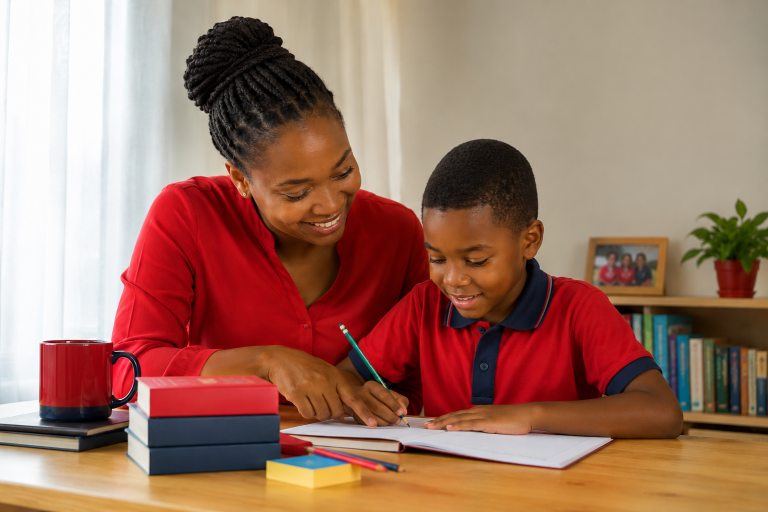
A child’s education does not only happen in the classroom. While teachers play an important role in guiding learning at school, parents also have a powerful influence on a child’s academic progress, confidence, behaviour and attitude towards learning.
At Sequoia International Primary School, we believe that education works best when school and home work together. When parents are actively involved in their child’s learning journey, children feel more supported, motivated and confident.
Supporting learning at home does not mean parents must become teachers. It means creating a positive environment where children are encouraged to read, complete homework, ask questions, develop routines and build good habits that support success at school.
Why Parent Support Matters
Children perform better when they know their parents care about their education. Simple actions such as asking about school, checking homework, listening to reading, attending school meetings and encouraging effort can make a big difference.
When parents show interest in learning, children begin to understand that education is important. They become more responsible, more motivated and more confident in their ability to improve.
Strong parent support also helps teachers understand each child better. When parents and teachers communicate openly, it becomes easier to identify strengths, challenges and areas where a learner may need extra support.
Create a Positive Learning Environment at Home
One of the best ways to support learning is to create a home environment where education is valued. This does not require a special classroom or expensive materials. A quiet, organised and comfortable space for reading and homework can help children focus better.
Children should have a regular place where they can complete schoolwork without too many distractions. This space should be calm, well-lit and supplied with basic materials such as pencils, books and stationery.
A positive learning environment also means encouraging children with patience and kindness. When children feel supported instead of pressured, they are more likely to enjoy learning and try their best.
Encourage Daily Reading
Reading is one of the most important habits parents can support at home. Children who read regularly build stronger vocabulary, better comprehension, improved writing skills and greater confidence in class.
Parents can support reading by setting aside a few minutes each day for their child to read. Younger children may read aloud to a parent, while older children can read independently and discuss what they have read afterwards.
Parents can ask simple questions such as:
What was the story about?
Who was your favourite character?
What did you learn?
What do you think will happen next?
These questions help children think about what they are reading and improve understanding.
At Sequoia International Primary School, reading is viewed as a strong foundation for learning across all subjects. When parents support reading at home, they strengthen the work being done in the classroom.
Build a Homework Routine
Homework helps learners practise what they have learned at school and develop independence, responsibility and time management. Parents can support homework by helping children establish a regular routine.
A good homework routine teaches children that schoolwork should be completed carefully and on time. It also helps reduce last-minute stress.
Parents do not need to do the homework for the child. Instead, they can provide guidance, encouragement and supervision. Children should be allowed to take ownership of their work while knowing that support is available when needed.
If a child finds homework difficult, parents can encourage them to try, think carefully and ask for help when necessary. This builds confidence and problem-solving skills.
Encourage Independence
As children grow, they need to learn how to take more responsibility for their own learning. Parents can support this by allowing children to organise their books, prepare school items, complete simple tasks and make age-appropriate decisions.
Independence helps children become more confident and responsible. It teaches them that they are capable of managing tasks and solving problems.
Parents can encourage independence by asking questions such as:
What homework do you need to complete today?
What books do you need for tomorrow?
How can you solve this problem?
What do you think you should do next?
These questions guide children to think for themselves instead of always waiting for answers.
Communicate With Teachers
Good communication between parents and teachers is essential for learner success. Parents should stay informed about school updates, reports, meetings, homework expectations and any concerns raised by teachers.
If a parent notices that a child is struggling with reading, homework, behaviour, confidence or emotional wellbeing, it is important to communicate with the school early. Early communication allows teachers and parents to work together before small challenges become bigger problems.
At Sequoia, we value open communication because we believe that every child benefits when school and home work as a team.
Support Good Attendance and Punctuality
Regular attendance is one of the simplest but most important ways parents can support learning. When children attend school consistently, they are more likely to understand lessons, participate in activities and keep up with the curriculum.
Frequent absence can make it difficult for children to follow new concepts and feel confident in class. Arriving late can also affect a child’s routine and readiness to learn.
Parents can support attendance by preparing school items the night before, creating a morning routine and ensuring children arrive at school on time.
Encourage a Positive Attitude Towards Learning
A child’s attitude towards learning is shaped by the messages they hear from adults. When parents speak positively about school, teachers, reading, homework and effort, children are more likely to develop a positive mindset.
It is important to praise effort, not only results. Instead of only saying “You are smart,” parents can say “I am proud of how hard you tried” or “You are improving because you kept practising.”
This helps children understand that success comes through effort, patience and perseverance.
When children face challenges, parents should encourage them not to give up. A positive attitude helps learners become resilient and confident.
Limit Screen Distractions
Technology can support learning, but too much screen time can affect focus, reading habits, sleep and homework routines. Parents can help by setting healthy limits around phones, tablets, television and games.
Children should have time for reading, homework, physical activity, family conversation and rest. A balanced routine supports better concentration and emotional wellbeing.
Parents can also guide children on responsible technology use, online safety and using digital tools for learning rather than only entertainment.
Support Social and Emotional Development
Learning is not only academic. Children also need emotional support, confidence, kindness, respect and resilience. Parents can help by listening to their children, encouraging them to talk about their day and helping them understand their emotions.
When children feel emotionally supported at home, they are more likely to feel secure and focused at school.
Parents can support social and emotional development by teaching children to respect others, apologise when wrong, share, listen, manage frustration and make responsible choices.
These values support the character development that is also encouraged at school.
Make Learning Part of Everyday Life
Learning does not only happen through books and homework. Parents can turn everyday moments into learning opportunities.
For example, children can practise mathematics while counting money, measuring ingredients, checking time or organising items. They can build language skills by telling stories, discussing events, reading signs or explaining what they learned at school.
Simple conversations can help children think, communicate and build confidence.
When learning becomes part of daily life, children begin to see education as meaningful and useful.
Attend School Events and Meetings
Parent involvement sends a strong message to children. When parents attend meetings, events and school activities, children feel supported and valued.
School events also help parents understand the school environment, meet teachers and stay connected with their child’s progress.
At Sequoia International Primary School, we encourage parents to take part in school life because strong parent involvement supports learner confidence and success.
Encourage Good Character at Home
Character development begins at home and continues at school. Parents can support learning by teaching children values such as respect, responsibility, honesty, kindness and perseverance.
Children who develop good character are more likely to behave positively in class, respect teachers and classmates, complete tasks and make responsible decisions.
When school and home promote the same values, children receive a clear and consistent message about how they should conduct themselves.
Help Your Child Rest and Stay Healthy
Children learn better when they are well-rested and healthy. Parents can support learning by ensuring children get enough sleep, eat well, stay active and follow healthy routines.
A tired or unwell child may struggle to concentrate, participate or remember what they have learned.
Good sleep, proper nutrition and physical activity all support brain development, emotional wellbeing and academic performance.
Conclusion
Parents play a very important role in supporting learning at home. Simple habits such as daily reading, homework routines, good attendance, positive encouragement, communication with teachers and emotional support can have a lasting impact on a child’s progress.
At Sequoia International Primary School, we believe education is a partnership between school and home. When parents and teachers work together, children are better supported to grow academically, socially, emotionally and personally.
By creating a positive learning environment at home, parents help children become confident, responsible and motivated learners.
If you are looking for a primary school in Lilongwe that values parent partnership, academic excellence and whole-child development, Sequoia International Primary School provides a safe and caring environment where every child can learn, grow and thrive.