

How Parents Can Support Learning at Home
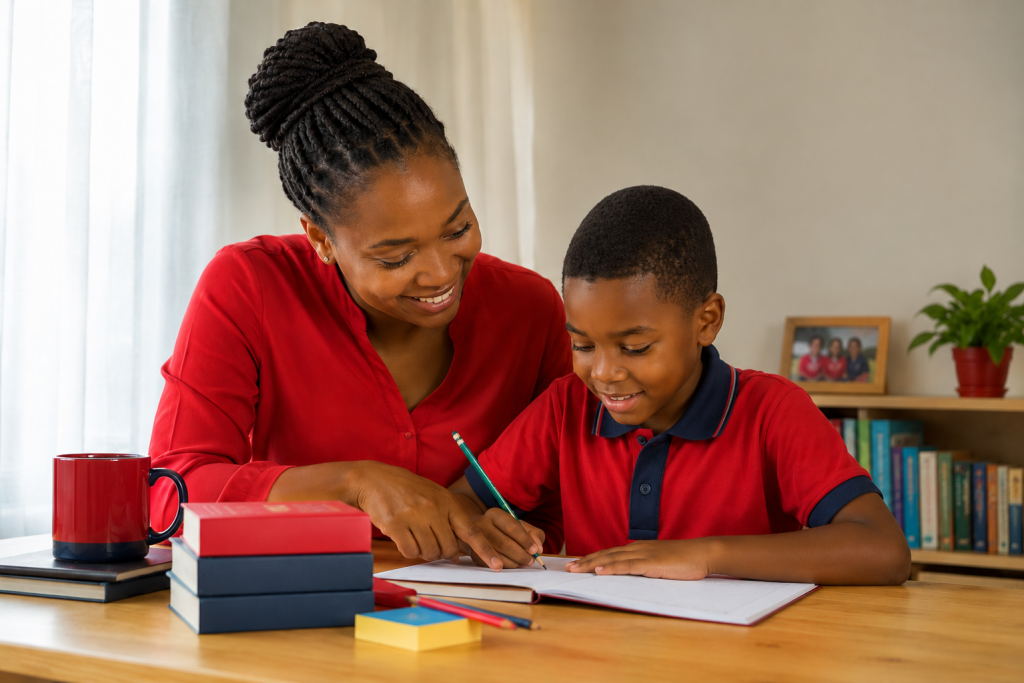
A child’s education does not only happen in the classroom. While teachers play an important role in guiding learning at school, parents also have a powerful influence on a child’s academic progress, confidence, behaviour and attitude towards learning. At Sequoia International Primary School, we believe that education works best when school and home work together. When parents are actively involved in their child’s learning journey, children feel more supported, motivated and confident. Supporting learning at home does not mean parents must become teachers. It means creating a positive environment where children are encouraged to read, complete homework, ask questions, develop routines and build good habits that support success at school. Why Parent Support Matters Children perform better when they know their parents care about their education. Simple actions such as asking about school, checking homework, listening to reading, attending school meetings and encouraging effort can make a big difference. When parents show interest in learning, children begin to understand that education is important. They become more responsible, more motivated and more confident in their ability to improve. Strong parent support also helps teachers understand each child better. When parents and teachers communicate openly, it becomes easier to identify strengths, challenges and areas where a learner may need extra support. Create a Positive Learning Environment at Home One of the best ways to support learning is to create a home environment where education is valued. This does not require a special classroom or expensive materials. A quiet, organised and comfortable space for reading and homework can help children focus better. Children should have a regular place where they can complete schoolwork without too many distractions. This space should be calm, well-lit and supplied with basic materials such as pencils, books and stationery. A positive learning environment also means encouraging children with patience and kindness. When children feel supported instead of pressured, they are more likely to enjoy learning and try their best. Encourage Daily Reading Reading is one of the most important habits parents can support at home. Children who read regularly build stronger vocabulary, better comprehension, improved writing skills and greater confidence in class. Parents can support reading by setting aside a few minutes each day for their child to read. Younger children may read aloud to a parent, while older children can read independently and discuss what they have read afterwards. Parents can ask simple questions such as: What was the story about? Who was your favourite character? What did you learn? What do you think will happen next? These questions help children think about what they are reading and improve understanding. At Sequoia International Primary School, reading is viewed as a strong foundation for learning across all subjects. When parents support reading at home, they strengthen the work being done in the classroom. Build a Homework Routine Homework helps learners practise what they have learned at school and develop independence, responsibility and time management. Parents can support homework by helping children establish a regular routine. A good homework routine teaches children that schoolwork should be completed carefully and on time. It also helps reduce last-minute stress. Parents do not need to do the homework for the child. Instead, they can provide guidance, encouragement and supervision. Children should be allowed to take ownership of their work while knowing that support is available when needed. If a child finds homework difficult, parents can encourage them to try, think carefully and ask for help when necessary. This builds confidence and problem-solving skills. Encourage Independence As children grow, they need to learn how to take more responsibility for their own learning. Parents can support this by allowing children to organise their books, prepare school items, complete simple tasks and make age-appropriate decisions. Independence helps children become more confident and responsible. It teaches them that they are capable of managing tasks and solving problems. Parents can encourage independence by asking questions such as: What homework do you need to complete today? What books do you need for tomorrow? How can you solve this problem? What do you think you should do next? These questions guide children to think for themselves instead of always waiting for answers. Communicate With Teachers Good communication between parents and teachers is essential for learner success. Parents should stay informed about school updates, reports, meetings, homework expectations and any concerns raised by teachers. If a parent notices that a child is struggling with reading, homework, behaviour, confidence or emotional wellbeing, it is important to communicate with the school early. Early communication allows teachers and parents to work together before small challenges become bigger problems. At Sequoia, we value open communication because we believe that every child benefits when school and home work as a team. Support Good Attendance and Punctuality Regular attendance is one of the simplest but most important ways parents can support learning. When children attend school consistently, they are more likely to understand lessons, participate in activities and keep up with the curriculum. Frequent absence can make it difficult for children to follow new concepts and feel confident in class. Arriving late can also affect a child’s routine and readiness to learn. Parents can support attendance by preparing school items the night before, creating a morning routine and ensuring children arrive at school on time. Encourage a Positive Attitude Towards Learning A child’s attitude towards learning is shaped by the messages they hear from adults. When parents speak positively about school, teachers, reading, homework and effort, children are more likely to develop a positive mindset. It is important to praise effort, not only results. Instead of only saying “You are smart,” parents can say “I am proud of how hard you tried” or “You are improving because you kept practising.” This helps children understand that success comes through effort, patience and perseverance. When children face challenges, parents should encourage them not to give up. A positive attitude helps learners become resilient and confident. Limit Screen Distractions Technology can support learning, but too much screen time
The Importance of Character Development in Primary Education
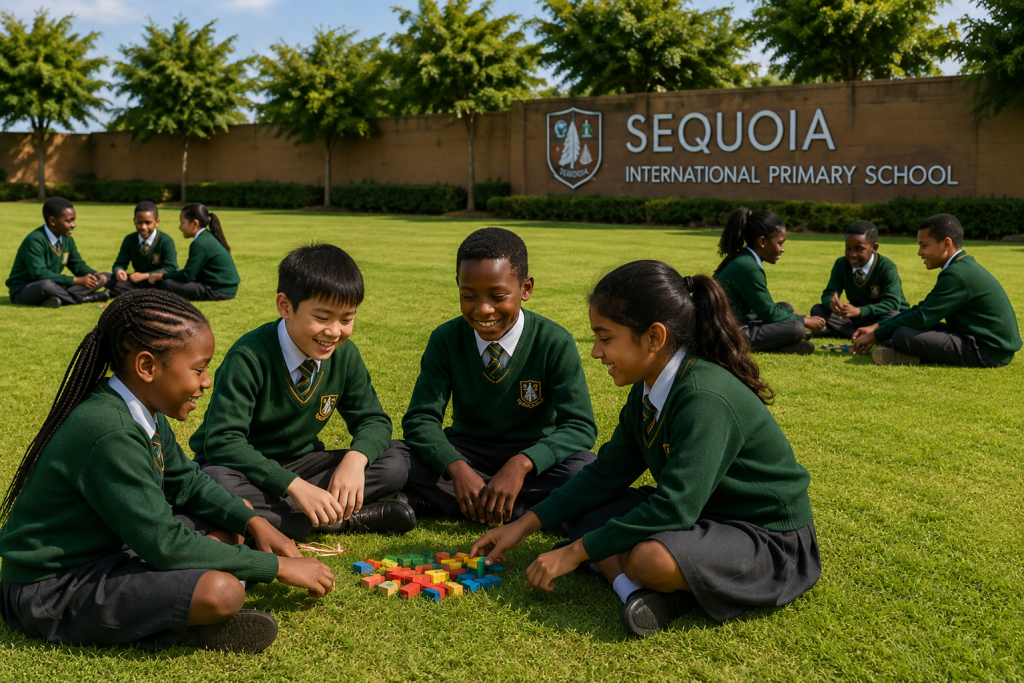
Primary education is one of the most important stages in a child’s life. During these early years, children do not only learn how to read, write and solve mathematical problems. They also begin to develop values, habits, attitudes and behaviours that will shape the kind of people they become. At Sequoia International Primary School, we believe that academic success and character development must work together. A truly strong education helps children become confident, respectful, responsible, curious and capable learners who are prepared for school, life and the future. What Is Character Development? Character development is the process of helping children build positive values, good behaviour, emotional strength and responsible decision-making skills. It teaches children how to treat others with respect, how to make good choices, how to take responsibility for their actions and how to contribute positively to their school, home and community. In primary education, character development is especially important because children are still learning how to manage emotions, build friendships, follow routines, respect rules and understand the impact of their actions. Why Character Development Matters in Primary School Primary school is where many lifelong habits begin. Children start learning how to work with others, listen to instructions, solve disagreements, care for their belongings, respect authority and take pride in their work. When character development is part of daily school life, learners begin to understand that education is not only about marks and grades. It is also about becoming a good person. A child with strong character is more likely to show kindness, honesty, responsibility, self-discipline and perseverance. These qualities support academic success and help children grow into well-rounded individuals. Building Respect Respect is one of the most important values children can learn. In a school environment, respect means treating teachers, classmates, staff, visitors and school property with care and dignity. Children who learn respect are better able to listen to others, follow instructions, participate positively in class and build healthy relationships. At Sequoia International Primary School, learners are encouraged to respect others and themselves. Self-respect helps children take pride in their work, present themselves well, make safe choices and believe in their own worth. Encouraging Responsibility Responsibility helps children understand that their choices and actions matter. In primary school, responsibility may include completing homework, caring for books, arriving on time, following classroom rules and being honest when mistakes are made. When children learn responsibility early, they become more independent and organised. They begin to understand that success requires effort, discipline and commitment. Responsibility also helps learners become more prepared for future education because they develop the habits needed to manage tasks and expectations. Teaching Integrity Integrity means doing what is right, even when no one is watching. It includes honesty, fairness and strong moral values. In a school setting, integrity helps children understand the importance of telling the truth, doing their own work, respecting others and making good choices. When learners develop integrity, they become trustworthy and dependable. These qualities are important in the classroom, at home and later in life. Developing Confidence Character development also helps children build confidence. When learners are supported, encouraged and guided, they begin to believe in themselves. Confidence helps children participate in class, ask questions, try new activities and face challenges with a positive attitude. A confident child is more likely to attempt difficult tasks, learn from mistakes and continue improving. This is why confidence is an important part of both academic and personal growth. Promoting Curiosity Curiosity is one of the core qualities of a strong learner. Curious children ask questions, explore ideas, investigate topics and enjoy discovering new things. Character development supports curiosity by helping learners become open-minded, thoughtful and willing to learn. At Sequoia International Primary School, curiosity is encouraged through child-centred learning, inquiry-based activities and classroom discussions. Learners are guided to think deeply, ask meaningful questions and develop a lifelong love for learning. Teaching Emotional Regulation Children need support in learning how to understand and manage their emotions. Emotional regulation helps learners respond calmly when they are upset, disappointed, frustrated or excited. In primary school, children may face challenges such as disagreements with friends, difficult classwork, competition, correction from teachers or changes in routine. Character development helps them learn how to handle these situations in a healthy way. When children develop emotional regulation, they are better able to focus in class, solve problems, communicate respectfully and build positive relationships. Building Resilience Resilience is the ability to keep going even when things are difficult. It helps children understand that mistakes and challenges are part of learning. A resilient child does not give up easily. Instead, they learn to try again, ask for help, improve and believe that progress is possible. In education, resilience is very important because every learner will face moments when something feels hard. Character development teaches children that effort, patience and perseverance are part of success. Supporting Positive Behaviour Good behaviour creates a safe and productive learning environment. When children understand expectations and values, classrooms become more respectful, focused and supportive. Positive behaviour includes listening carefully, speaking kindly, following instructions, sharing with others, taking turns, keeping promises and resolving disagreements peacefully. At Sequoia International Primary School, behaviour is not only managed; it is taught. Learners are guided to understand why good behaviour matters and how their choices affect others. Character Development and Academic Success Character development supports academic success in many ways. Learners who are responsible, respectful and confident are more likely to participate in class, complete tasks, listen to feedback and keep trying when work is challenging. Qualities such as discipline, focus, perseverance and self-confidence help children perform better in their studies. This means that character development is not separate from academics. It strengthens academic learning by helping children develop the attitudes and habits needed to succeed. The Role of Teachers Teachers play a key role in character development. Children learn not only from what teachers say, but also from how teachers speak, listen, correct, encourage and model behaviour. A caring teacher helps
How Child-Centred Learning Helps Children Build Confidence
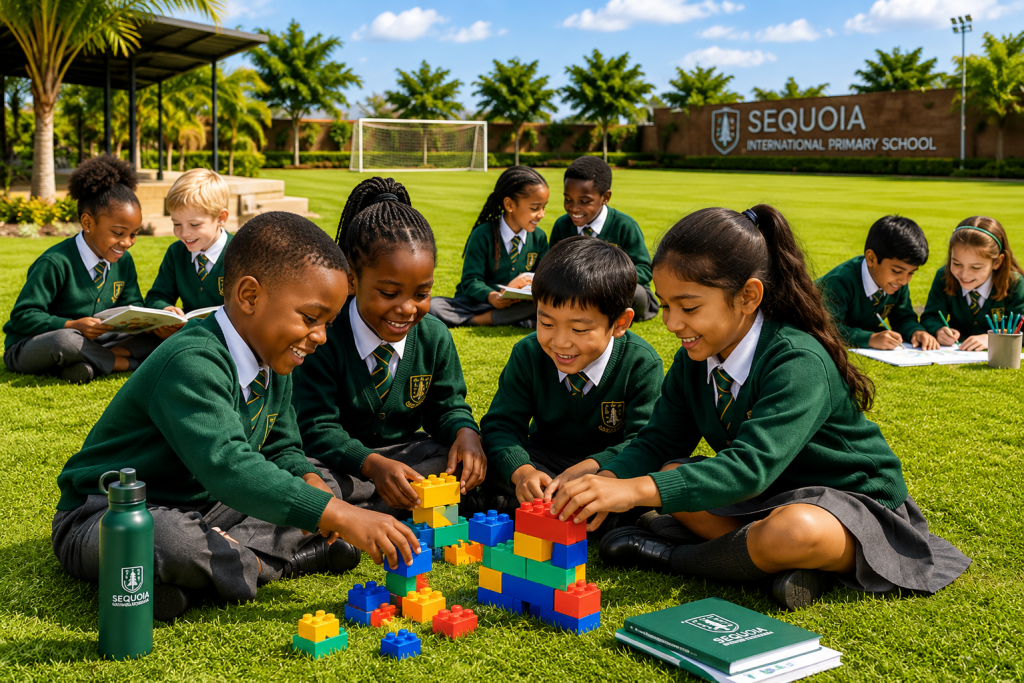
Confidence is one of the most important qualities a child can develop during the primary school years. A confident child is more willing to ask questions, try new activities, participate in class, make friends, solve problems and believe in their ability to learn. At Sequoia International Primary School, we believe that confidence grows when children feel safe, valued, supported and actively involved in their learning. This is why child-centred learning is an important part of our educational approach. Child-centred learning places the learner at the heart of the classroom experience. Instead of simply listening and memorising information, children are encouraged to think, explore, ask questions, share ideas and take responsibility for their own learning journey. What Is Child-Centred Learning? Child-centred learning is an approach to education that focuses on the needs, abilities, interests and development of each learner. It recognises that children are active participants in the learning process, not passive recipients of information. In a child-centred classroom, teachers guide, support and encourage learners. They create opportunities for children to participate, investigate, discuss, practise, create and reflect. This approach helps children understand that learning is not only about getting answers right. It is also about trying, thinking, improving and growing. Why Confidence Matters in Primary School Primary school is a very important stage in a child’s development. During these years, children begin to form beliefs about themselves as learners. They may start to think, “I am good at reading,” “I can solve problems,” “I can speak in front of others,” or “I am able to improve when I try.” When children develop confidence early, they are more likely to enjoy learning and take part in classroom activities. They become more willing to attempt new tasks, even when they are challenging. Confidence also helps children become more independent. A confident learner is more likely to complete tasks, ask for help when needed and keep trying even when something feels difficult. Child-Centred Learning Gives Children a Voice One of the ways child-centred learning builds confidence is by giving children a voice in the classroom. Learners are encouraged to ask questions, share opinions, explain their thinking and take part in discussions. When children realise that their ideas matter, they begin to feel valued. This helps them become more comfortable expressing themselves. At Sequoia International Primary School, learners are encouraged to communicate respectfully, listen to others and present ideas with confidence. These communication skills are important not only for academic success, but also for everyday life. Learning Through Participation Children often learn best when they are actively involved. Child-centred learning gives learners opportunities to participate in lessons through activities, group work, experiments, reading tasks, projects, presentations and creative work. This active participation helps children feel more connected to what they are learning. They are not just watching or listening; they are doing, thinking and discovering. When learners participate regularly, they become more comfortable in the classroom. Over time, this helps them build confidence in their ability to contribute and succeed. Encouraging Curiosity Curiosity is a powerful part of learning. When children are curious, they want to know more, explore more and understand more. Child-centred learning encourages curiosity by allowing learners to ask questions and investigate ideas. Instead of only being told information, children are guided to discover answers through exploration and discussion. This helps learners develop confidence because they begin to see themselves as thinkers and problem solvers. They learn that asking questions is not a weakness. It is an important part of learning. Building Confidence Through Problem Solving Problem solving is an important skill for every child. In a child-centred classroom, learners are given opportunities to solve problems independently and in groups. This may happen through mathematics activities, science investigations, classroom discussions, creative projects or real-life learning situations. When children solve problems, they learn to think carefully, test ideas, make mistakes, try again and find solutions. Each successful attempt helps build confidence. Even when learners do not get the answer immediately, they learn that effort and persistence matter. This helps them become more resilient and willing to face challenges. Learning From Mistakes A child-centred learning environment helps children understand that mistakes are part of learning. Instead of fearing failure, learners are encouraged to reflect, improve and try again. This is very important for confidence. If children are afraid of making mistakes, they may avoid participating or trying new things. But when mistakes are treated as learning opportunities, children become more open to challenges. At Sequoia International Primary School, learners are supported to develop resilience and a positive attitude towards learning. They are encouraged to keep trying, ask for guidance and believe that improvement is possible. Supporting Different Learning Needs Every child learns differently. Some children may learn quickly through reading, while others may understand better through practical activities, discussion, visuals, movement or one-on-one support. Child-centred learning recognises these differences. Teachers use different strategies to help learners understand and participate in ways that suit their development. This helps build confidence because children are not made to feel left behind. They receive support, encouragement and opportunities to grow at their own pace. When children feel understood and supported, they are more likely to believe in themselves. Developing Independence Confidence and independence go together. A confident child is more willing to attempt tasks on their own, make decisions and take responsibility for learning. Child-centred learning encourages independence by giving learners opportunities to make choices, complete activities, manage tasks and reflect on their progress. This does not mean children are left alone. Teachers provide structure, guidance and support. However, learners are gradually encouraged to take more responsibility for their learning. This helps children develop important life skills such as self-discipline, organisation, responsibility and decision-making. Confidence Through Communication Communication is a key part of child-centred learning. Learners are encouraged to speak, listen, ask questions, explain ideas and work with others. These opportunities help children become more confident in expressing themselves. They learn how to share their thoughts clearly and respectfully. Speaking and listening skills also support social
Why Reading Every Day Matters for Primary School Learners
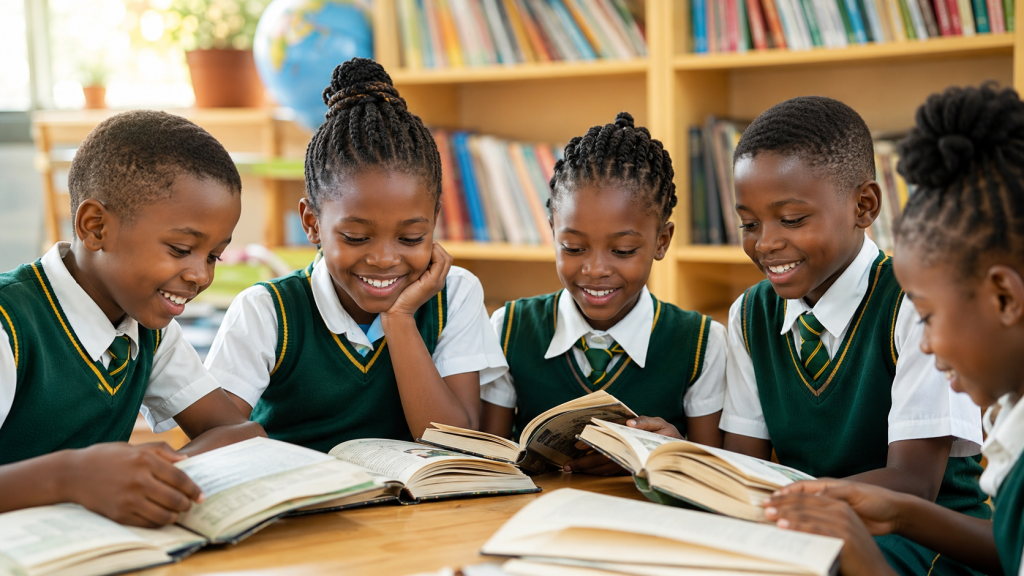
Reading is one of the most important skills a child can develop during the primary school years. It supports learning in every subject and helps children grow in confidence, communication, imagination and understanding. At Sequoia International Primary School, reading is treated as a strong foundation for academic success and lifelong learning. We believe that when children develop strong reading habits early, they are better prepared to succeed not only in English, but also in Mathematics, Science, Global Perspectives, ICT and other areas of learning. Why Reading Is Important in Primary School Reading is more than recognising words on a page. It helps children understand information, express ideas, build vocabulary and think more clearly. A child who reads regularly is more likely to become confident in class, participate in discussions and understand new concepts faster. In primary school, learners are still building the basic skills that will support them throughout their education. Reading every day helps strengthen these skills and gives children the confidence they need to enjoy learning. Reading Builds Strong Language Skills Daily reading helps children develop better vocabulary, sentence structure and communication skills. When children read different types of books, they are exposed to new words, ideas and expressions. This helps them speak more confidently, write more clearly and understand instructions better. Strong language skills also support performance in other subjects because learners can read questions, understand explanations and communicate their answers effectively. Reading Improves Writing Skills Children who read often usually become better writers. Reading exposes them to correct grammar, punctuation, sentence patterns and creative expression. Through books, learners begin to understand how stories are structured, how ideas are explained and how language can be used to inform, persuade or entertain. This helps them improve their own writing, whether they are writing stories, descriptions, reports or classroom assignments. At Sequoia International Primary School, writing is developed alongside reading so learners can express themselves clearly, creatively and confidently. Reading Supports Academic Success Reading is connected to success in almost every subject. In Mathematics, children need to understand word problems and instructions. In Science, they need to read explanations, observations and experiment results. In Global Perspectives, they need to understand information about people, places and world issues. When children read well, they are better able to access learning across the curriculum. This is why building strong reading skills in primary school is so important. Reading Builds Confidence A child who can read confidently is more likely to enjoy learning. They feel more comfortable participating in class, answering questions and completing tasks independently. Confidence in reading also helps children feel proud of their progress. As they move from simple words to sentences, paragraphs and full books, they begin to see themselves as capable learners. This confidence can have a positive effect on their overall school experience. Reading Encourages Curiosity Books open children’s minds to new places, people, cultures, ideas and experiences. Through reading, learners can explore the world beyond their immediate environment. They can learn about animals, science, history, technology, nature, different communities and real-life situations. This encourages curiosity and helps children ask thoughtful questions. At Sequoia, curiosity is an important part of learning. We want learners to be active thinkers who are excited to discover new things. Reading Strengthens Concentration In a world filled with screens and distractions, reading helps children develop focus and patience. Sitting with a book encourages learners to concentrate, follow a story or explanation and think about what they are reading. This ability to focus is important in the classroom. Children who can concentrate for longer periods often find it easier to complete tasks, follow lessons and understand instructions. Reading Develops Imagination and Creativity Stories help children imagine different worlds, characters and situations. This supports creativity and helps learners think beyond what they see every day. Creative thinking is important not only in art or storytelling, but also in problem solving. Children who use their imagination are often better at coming up with ideas, finding solutions and expressing themselves in different ways. Reading Helps Children Understand Emotions Books can help children understand feelings, relationships and behaviour. Through stories, learners see characters facing challenges, making choices, solving problems and learning lessons. This can help children develop empathy, kindness and emotional awareness. They begin to understand how others may feel and how actions can affect people. This supports social and emotional development, which is an important part of growing into a respectful and responsible person. Reading at Home Matters Parents play a very important role in helping children develop strong reading habits. Reading should not only happen at school. When children read at home, they get more practice and begin to see reading as a normal and enjoyable part of life. Parents can support reading by setting aside a few minutes each day for reading, listening to their child read, asking simple questions about the story and encouraging them with patience and praise. Even 10 to 20 minutes of reading each day can make a big difference over time. How Parents Can Support Daily Reading Parents can help children develop a love for reading by making books easily available and creating a positive reading routine at home. Children can be encouraged to read storybooks, picture books, simple information books, poems and age-appropriate texts. Parents can also read aloud to younger children to help them hear fluent and expressive reading. It is also helpful to ask questions such as: What happened in the story? Who was your favourite character? What did you learn? What do you think will happen next? These questions help children think about what they are reading and improve comprehension. Reading Should Be Enjoyable One of the most important things parents and teachers can do is make reading enjoyable. Children should not see reading only as homework or a test. They should see it as something exciting, interesting and rewarding. When children enjoy reading, they are more likely to read regularly. This creates a strong habit that can support them throughout their education. At
Understanding the Cambridge International Curriculum: What Parents Need to Know
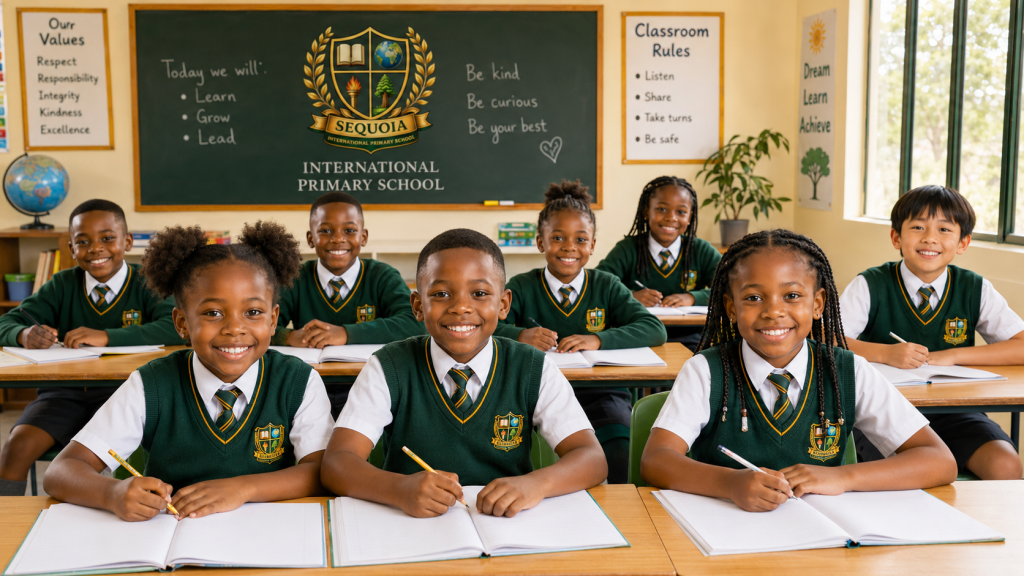
Choosing the right curriculum is one of the most important decisions parents make when selecting a school for their child. A good curriculum should not only help children pass assessments, but also develop confidence, curiosity, communication skills, creativity and the ability to solve real-life problems. At Sequoia International Primary School, we follow the Cambridge International Curriculum to provide learners with a strong academic foundation and a balanced learning experience. This internationally recognised curriculum supports children as they grow academically, socially, emotionally and creatively. What Is the Cambridge International Curriculum? The Cambridge International Curriculum is a globally respected learning framework designed to help learners develop knowledge, understanding and practical skills across different subject areas. It focuses on more than memorising information. It encourages children to think deeply, ask questions, explain their ideas and apply what they learn in meaningful ways. For primary school learners, the curriculum helps build strong foundations in key areas such as English, Mathematics, Science, Global Perspectives, ICT, Creative Arts, Physical Education and Social & Emotional Learning. This broad approach allows children to grow into confident and well-rounded learners who are prepared for future education and life in a changing world. Why the Cambridge Curriculum Matters One of the biggest strengths of the Cambridge International Curriculum is that it encourages learners to understand concepts, not just repeat facts. Children are guided to explore ideas, solve problems, communicate clearly and think independently. This is important because today’s world requires more than academic knowledge. Children need to be able to analyse information, work with others, use technology responsibly, express themselves confidently and adapt to new situations. Through the Cambridge-aligned approach, learners develop skills that support success both inside and outside the classroom. A Strong Foundation in English English is a key part of the Cambridge curriculum because strong language skills support learning across all subjects. At Sequoia International Primary School, learners develop reading, writing, speaking and listening skills through daily classroom activities. Reading is strongly encouraged because it helps children build vocabulary, comprehension, imagination and confidence. Learners are also supported in writing clearly and creatively. They develop sentence construction, grammar, punctuation, handwriting, creative writing and communication skills. Speaking and listening activities help children express ideas, participate in discussions and present themselves confidently. Building Confidence in Mathematics Mathematics in the Cambridge curriculum helps learners develop number sense, reasoning and problem-solving skills. Instead of focusing only on memorising answers, children are encouraged to understand how numbers work and how mathematical ideas can be applied in real-life situations. At Sequoia, learners practise mental mathematics, mathematical reasoning, calculations and problem-solving activities. This helps them build confidence with numbers and develop the ability to think logically. A strong foundation in Mathematics prepares learners for future academic success and helps them develop practical skills they can use in everyday life. Science Through Discovery and Investigation Science is an exciting part of the curriculum because it encourages learners to explore the world around them. Children learn best when they are actively involved, and science gives them opportunities to ask questions, make observations, conduct experiments and test ideas. Through practical investigations, learners develop curiosity, critical thinking and a deeper understanding of scientific concepts. They learn how to make predictions, observe results and explain what they discover. This hands-on approach makes learning more meaningful and helps children see science as something practical and connected to real life. Developing Global Awareness Global Perspectives helps learners understand the wider world. Children are encouraged to explore global issues, current events, different viewpoints, cultures and communities. This subject helps learners develop research skills, communication skills, empathy and respect for others. It also teaches children that people may see issues differently and that listening to different perspectives is important. By learning about the world beyond their immediate environment, children become more informed, thoughtful and responsible global citizens. ICT and Digital Skills for the Modern World Technology is now part of everyday life, and children need to learn how to use it responsibly and effectively. The Cambridge-aligned curriculum supports the development of digital literacy, research skills, computer skills and online safety awareness. At Sequoia, ICT helps learners become more confident using technology for learning. Children are introduced to responsible digital behaviour, problem-solving through technology and foundational digital skills that prepare them for the modern world. This is especially important in an age where technology, artificial intelligence and digital communication continue to shape how people learn, work and interact. Creativity and Self-Expression A strong curriculum should also support creativity. Creative Arts gives learners opportunities to express themselves through music, fine art, rhythm, movement, dance, drama and creative projects. These activities help children build imagination, confidence, communication skills and appreciation for the arts. Creativity also supports problem solving because it encourages learners to think in different ways and develop original ideas. At Sequoia, creativity is not treated as separate from academic learning. It is part of developing confident, expressive and well-rounded learners. Physical Education and Swimming Physical development is an important part of a child’s growth. Through Physical Education, learners develop coordination, strength, flexibility, teamwork, sportsmanship and healthy lifestyle habits. Swimming is also part of the Physical Education programme at Sequoia. Swimming helps learners build water confidence, safety awareness and important physical skills. By including physical activities in the curriculum, the school supports the health, confidence and overall wellbeing of every child. Social and Emotional Learning Academic success is important, but children also need emotional and social skills to thrive. Social and Emotional Learning helps learners develop self-awareness, emotional regulation, resilience, confidence, respect for others, positive relationships and responsible decision-making. These skills help children manage challenges, work well with others, communicate respectfully and develop strong character. At Sequoia International Primary School, we believe that education should support the whole child. This means helping learners grow academically, socially, emotionally, physically and creatively. Assessment and Learner Progress The Cambridge-aligned approach supports continuous learning and progress monitoring. Assessment is used to understand each learner’s development, identify strengths and provide support where needed. At Sequoia, learners are assessed through classwork,